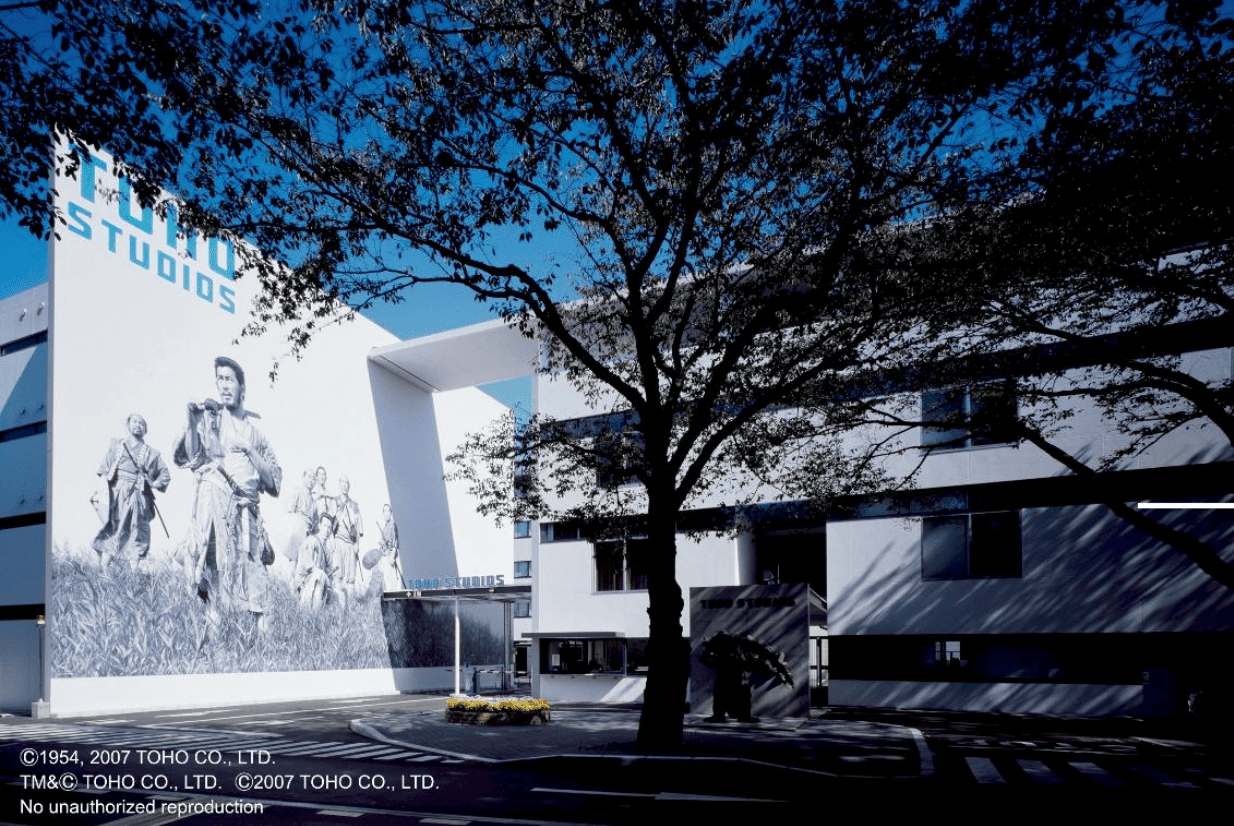
How TOHO Studios Preserved Color Consistency During a Major Studio Relocation
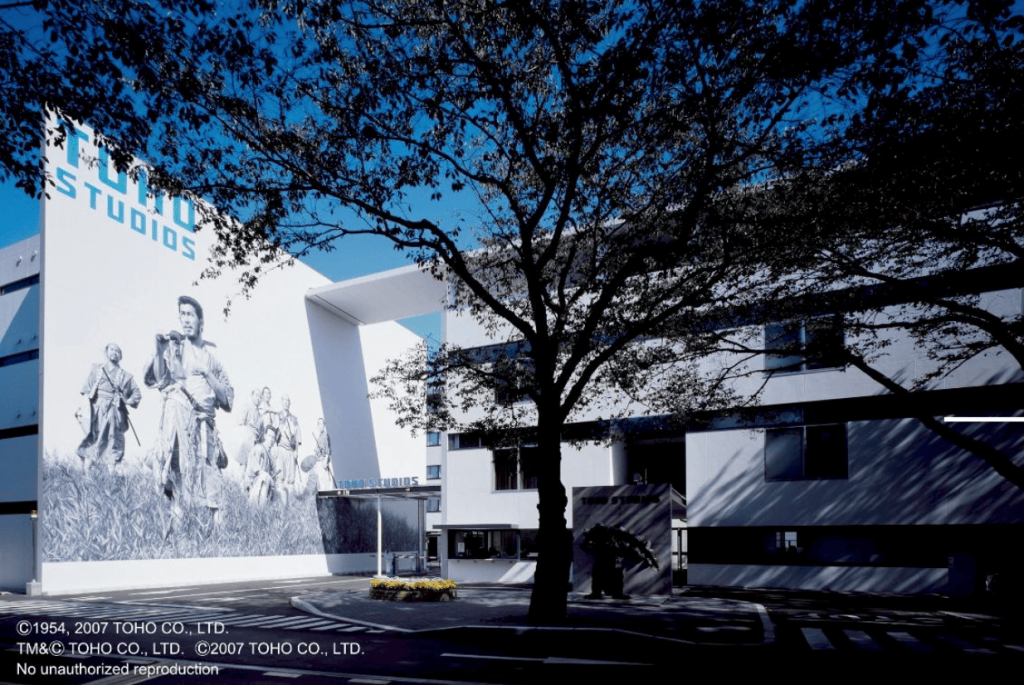
For most post-production facilities, moving to a new building means relocating equipment, rebuilding editing suites, and minimizing downtime.
For TOHO Studios, one of Japan’s most respected film production and post-production companies, there was another critical challenge:
How do you ensure every monitor delivers the same trusted color after an entire facility has been rebuilt?
Following the transfer of Tokyo Laboratory’s video production business, TOHO Studios opened its new High-Resolution Base in late 2023. While the equipment moved into the new facility, maintaining the same color accuracy and grading environment became a top priority.
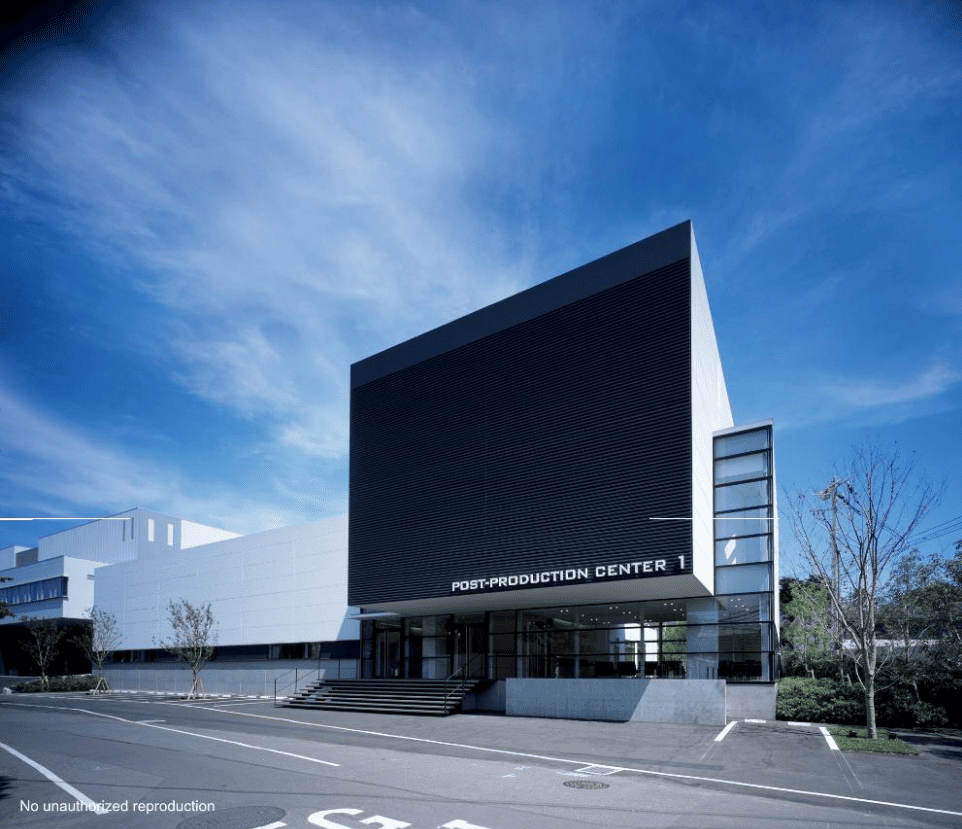
Rebuilding More Than Just the Studio
According to Colorist Jun Yamashita, the goal wasn’t simply to move hardware—it was to recreate the original working environment as closely as possible.
Every professional mastering monitor, client display, and consumer reference monitor was recalibrated using Calman Studio after installation in the new facility.
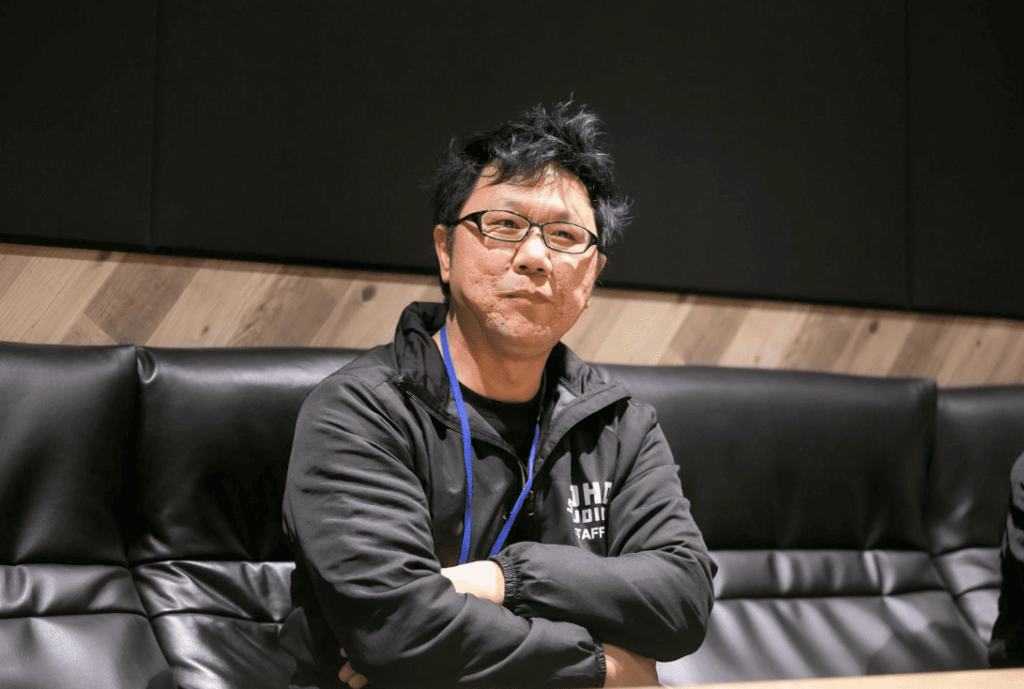
Jun Yamashita,Colorist, DI Department, Post-Production Center
Specializes in color grading for new feature film productions.
“Since we physically moved the equipment, the first thing we did was monitor calibration. Because we had our previous calibration reports, we could compare the old and new measurements and quickly restore our color environment,” says Ai Mabuchi, Colorist, DI Department.
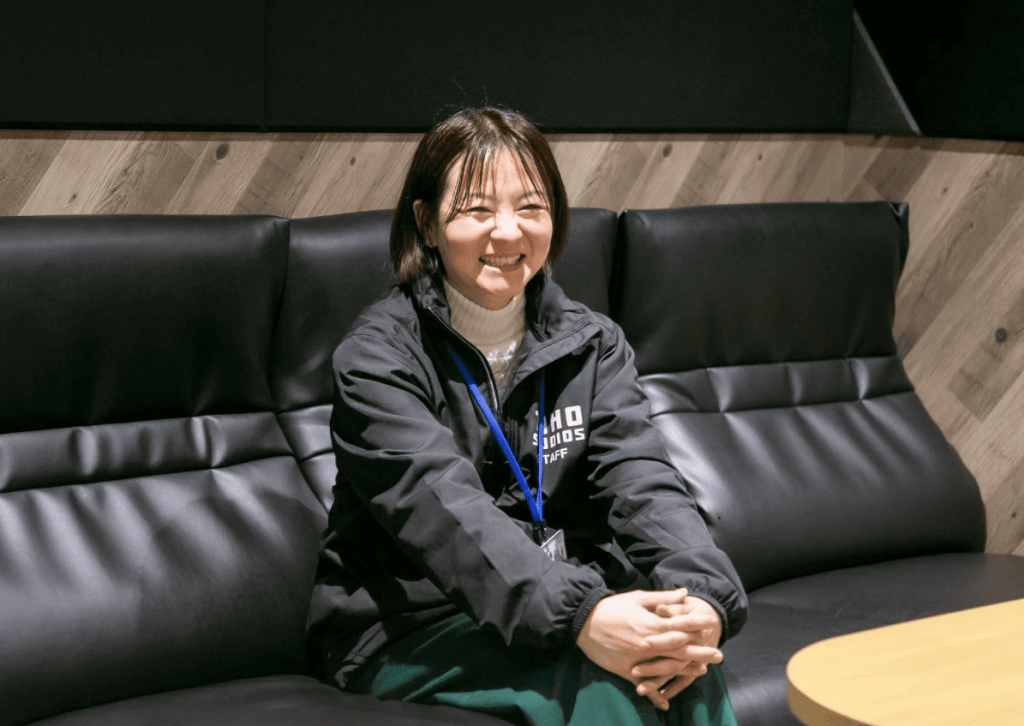
Ai Mabuchi, Colorist, DI Department, Post-Production Center
Specializes in the restoration and remastering of classic films, as well as color grading for theatrical releases, with a primary focus on archival projects.
One Color Standard Across Every Room
TOHO Studios has relied on Calman Studio for several years to establish a consistent color standard across its post-production workflows.
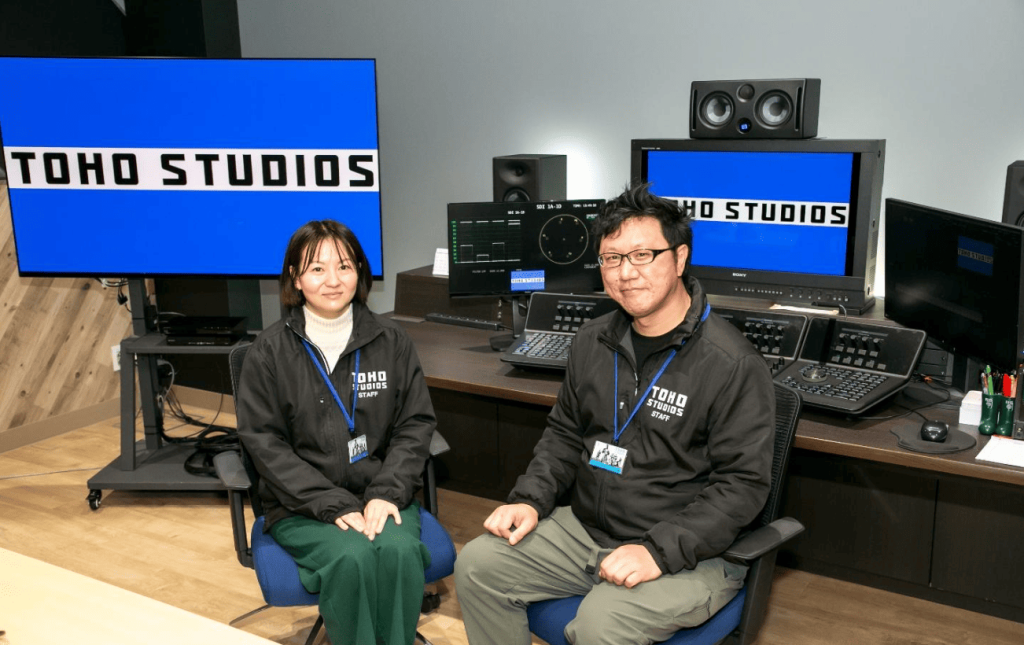
Each grading suite includes both a professional reference monitor and a consumer display used as a client monitor. Using Calman, the team ensures both displays visually match and reproduce images consistently, allowing everyone involved in production to make decisions based on the same visual reference.
The studio also uses Calman’s AutoCal workflow with Sony BRAVIA displays, allowing consumer TVs to be calibrated to closely match Sony’s mastering monitors, while ensuring color accuracy throughout the facility.
Color Consistency Matters More Than Ever
The need for accurate monitor calibration extends beyond feature films.
Yohei Yamamoto, who works on television, streaming, and animation projects, has seen growing demand from animation studios to verify monitor accuracy before final delivery.
“In the last year or two, we’ve received many requests asking whether the monitor color is correct or whether we could recalibrate their monitoring rooms,” says Yohei Yamamoto. “Even in animation, people are paying much closer attention to the color they see on screen.”
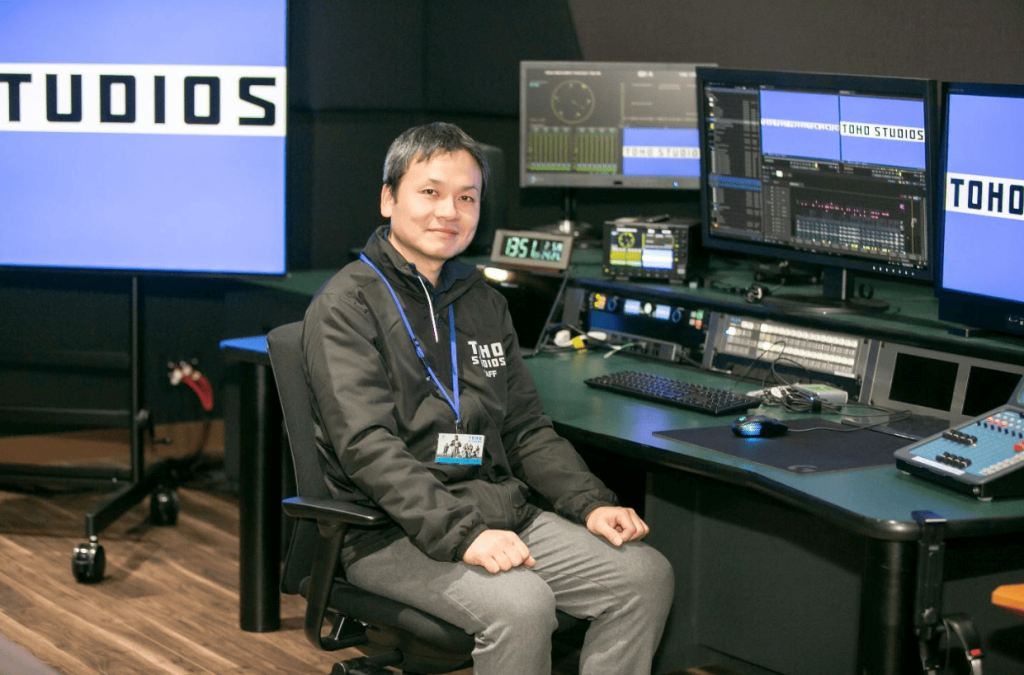
Yohei Yamamoto
Works on television, streaming, and animation projects.
Building Confidence for Every Production
Today, TOHO Studios continues expanding monitor calibration beyond its DI suites to additional editing rooms and screening environments, creating a unified color pipeline throughout the facility.
For TOHO Studios, relocating an entire post-production operation wasn’t simply about moving equipment. It was about ensuring that every creative decision — before and after the move — could be made with complete confidence that everyone was seeing the same color.
And that’s exactly what Calman is designed to deliver.