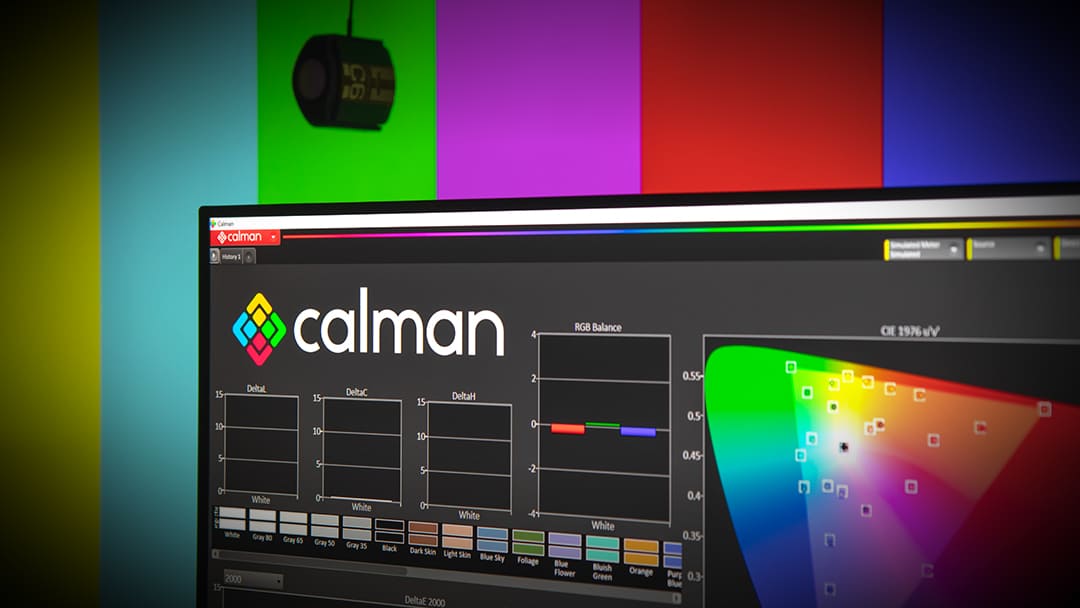
Mandated calibration requires a workflow that can actually deliver it.
NGA.STND.0015 governs electro-optical display response for imagery exploitation facilities. Monthly recalibration is required. Display environments are dark and controlled. Workstations run high-precision hardware. The standard is specific: reference luminance between 0.5 and 137 nits, full-range calibration extending to 240 nits.
Most organizations subject to this standard have the hardware to meet it. The gap is a repeatable, documented software process that makes compliance provable.
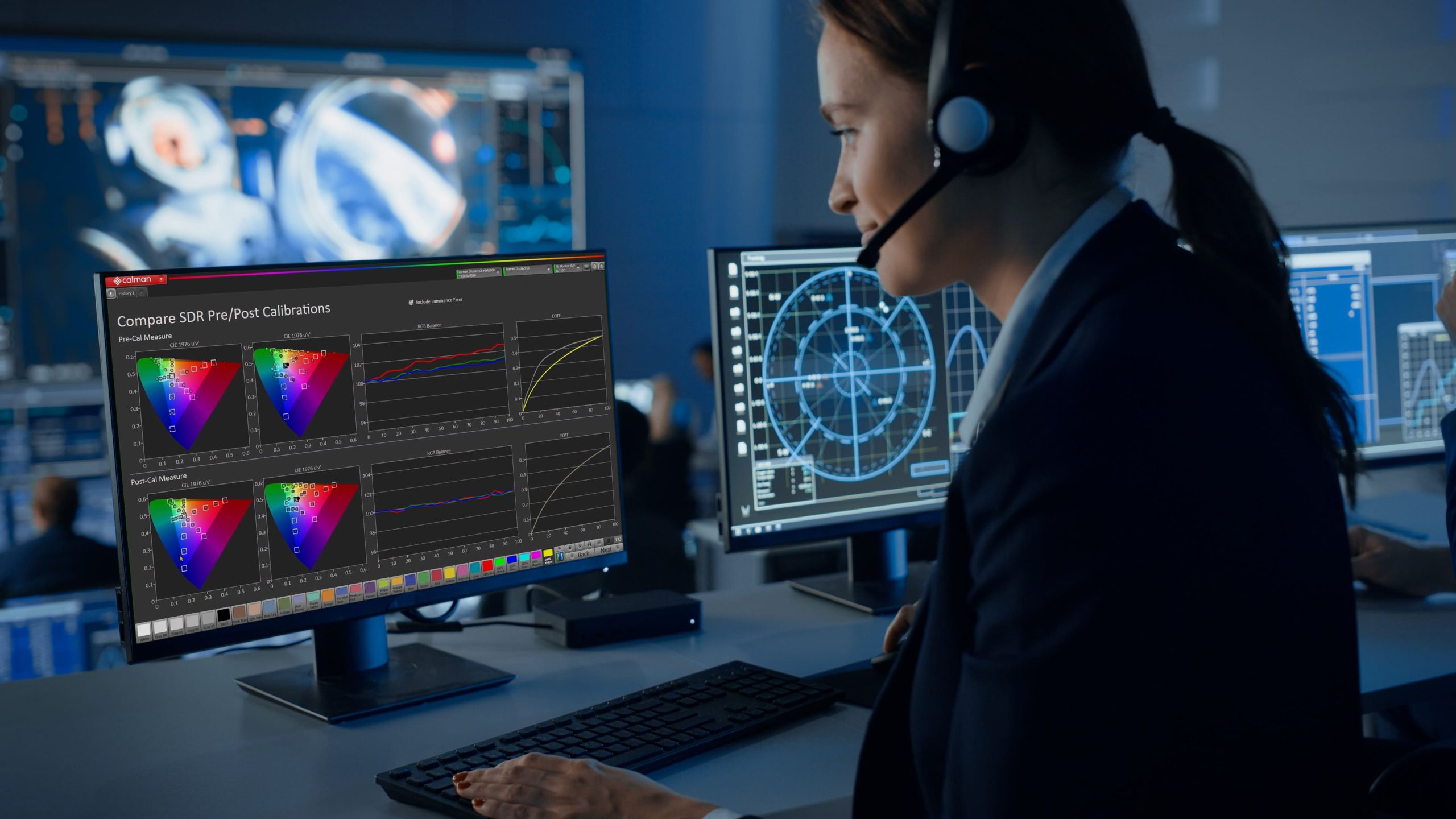
Calman provides the calibration workflow GEOINT environments require.
Calman is professional display calibration software built for precision imaging environments. It supports the luminance targets and display response characteristics defined under NGA.STND.0015, works with the high-precision workstation hardware common in exploitation facilities, and generates the documented calibration records that compliance and audit workflows depend on.
A defined target. A repeatable process. A record you can stand behind.
Purpose-built for the intelligence community's imagery mission.
Calman is a fit for organizations across the GEOINT and imagery intelligence community, including:
- NGA analysts and exploitation facility managers responsible for display compliance
- CIA, DIA, and NSA imagery review environments operating under intelligence community standards
- DOD intelligence units working with panchromatic, EO, IR, SAR, and fused imagery in NITF format
- FBI and law enforcement forensic imagery units requiring display accuracy for evidentiary review
- Five Eyes and NATO IC partner organizations aligned to equivalent display calibration standards
- Contractors and program offices supporting exploitation tool deployments including SOCET GXP, RemoteView, and ArcGIS AllSource
A miscalibrated display is a corrupted instrument, and no one gets an alert.
A miscalibrated display changes what an analyst can distinguish in panchromatic imagery. It affects contrast discrimination in low-light EO data. It introduces variation between workstations that should be producing identical reads from identical source material.
NGA.STND.0015 exists because the intelligence community understood this problem and standardized around it. Calman gives your organization the tools to meet that standard consistently, document that you've done so, and maintain it on the monthly cycle the standard requires.